The museum of Stones in Minsk
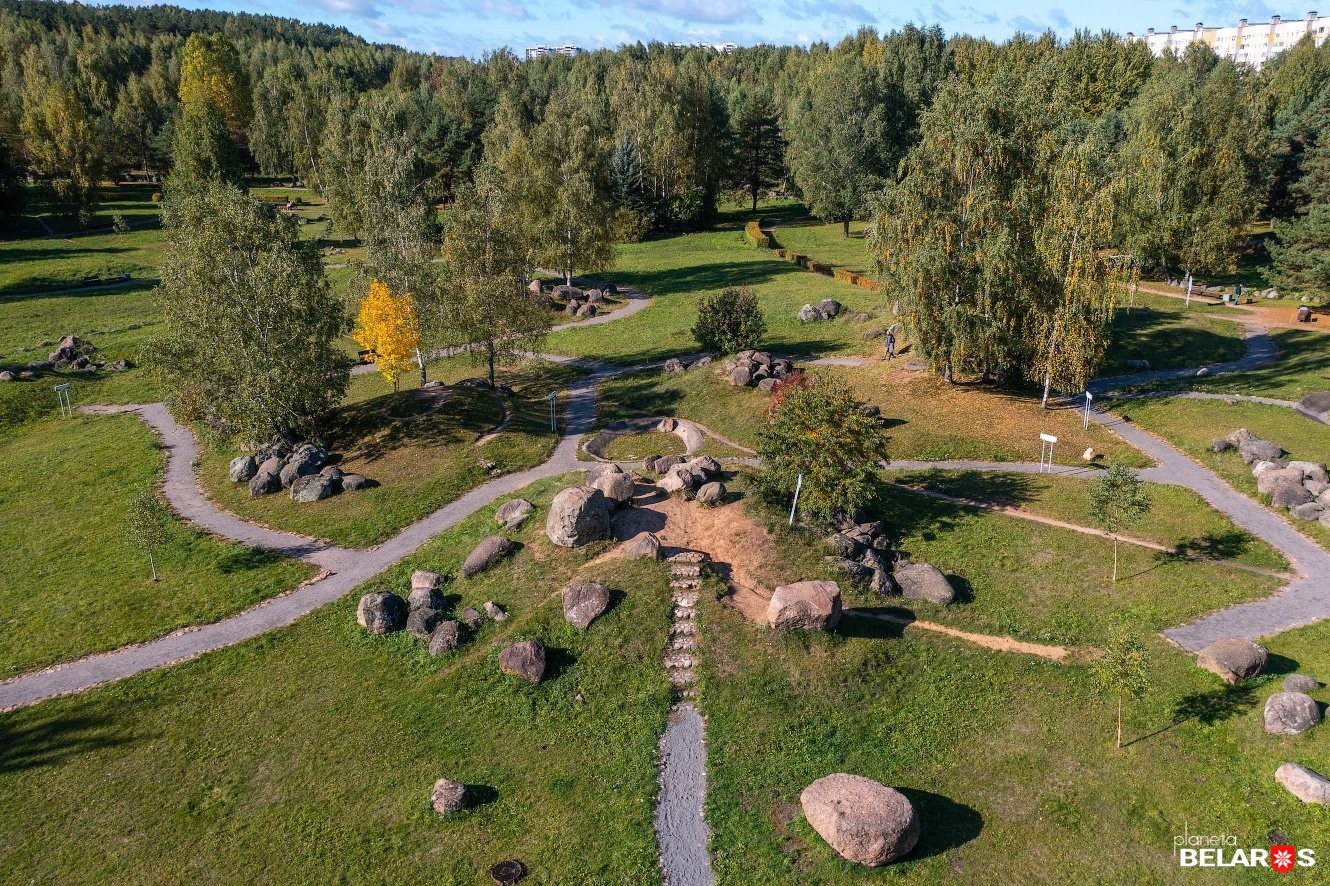
The park-museum of stones in the Minsk microdistrict of Uruchye, opened in 1985, is unusual not only for Belarus, but also for the whole of Europe ─ such an exposition can be found only on the territory of Lithuania.
Akademika Kuprevicha str., Minsk.
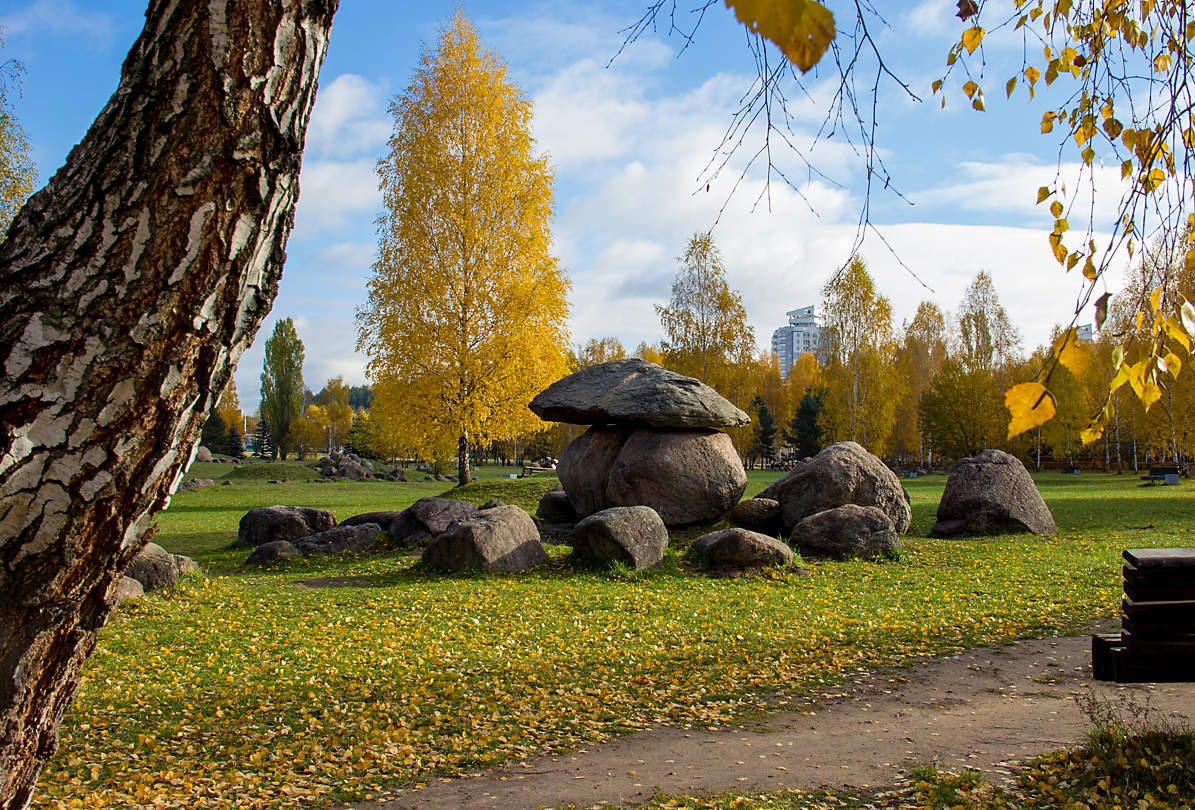
The park-museum of stones in the Minsk microdistrict of Uruchye, opened in 1985, is unusual not only for Belarus, but also for the whole of Europe ─ such an exposition can be found only on the territory of Lithuania.
In the early 1980s, 2,134 boulders, including igneous, sedimentary, and metamorphic samples, were brought to Minsk from all over the republic to create a Museum of Stones. According to scientists, such a variety of boulders is explained by the movement of glaciers on the territory of Belarus, which brought all these stones here.
If we take into account the spiritual values of the pagan ancestors of Belarusians, then moving the stones to Minsk was a blasphemous act. Boulders were often sacrificial altars, possessed special magical power, and changing their location meant tearing them from their "roots". But do not forget that the museum was created in Soviet times, when there was a struggle against all kinds of religions and beliefs. So, on the other hand, the museum workers, who gathered together so many boulders on an area of 7 hectares, managed to preserve the priceless heritage of their ancestors, which could have disappeared.
The Museum of Boulders now houses a stone "Dzed", brought from an ancient pagan temple in the center of Minsk, border boulders, a stone "Cross of Stefan Batory", at which the king allegedly dined during a campaign to the east. A geographical map of Belarus has been created on the territory of the park-museum, on which boulders indicate various elevations. Interestingly, the boulders located here were taken from exactly the areas they represent. The improvised map also shows two of the largest Belarusian reservoirs — Lake Naroch and the Zaslav reservoir (Minsk Sea).